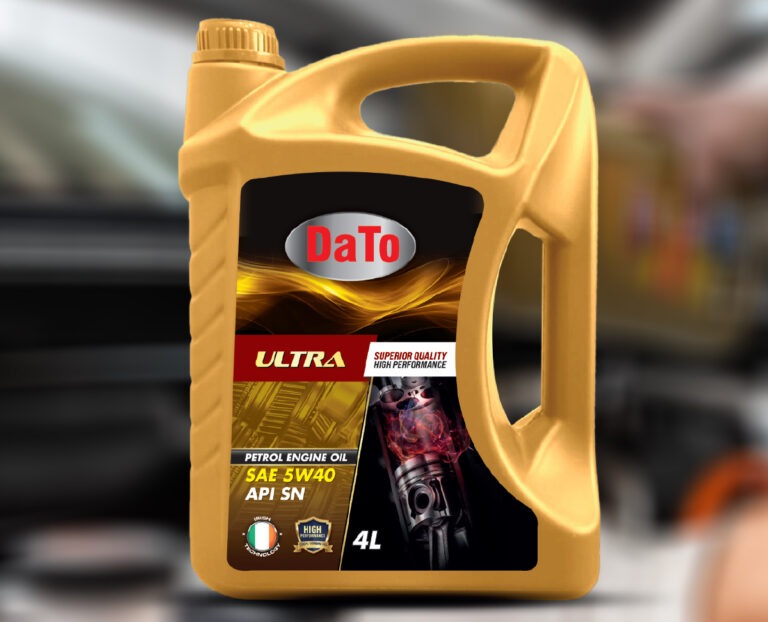
As electric vehicles continue to reshape the future of mobility across the UAE and worldwide, many drivers assume that owning an EV means saying goodbye to most fluid-related maintenance. While electric vehicles eliminate the need for traditional engine oil changes, they still rely heavily on sophisticated thermal management systems to operate efficiently and safely.
At the heart of these systems is EV coolant, a specialized fluid engineered to regulate temperatures within battery packs, electric motors, inverters, and charging components. As EV technology advances and fast-charging capabilities become more common, effective temperature control has become essential for maintaining performance, safety, and battery longevity.
Whether you own an electric vehicle, manage a commercial EV fleet, or are exploring the future of electric mobility, understanding the role of EV coolant UAE can help you maximize vehicle reliability and protect one of the most valuable components of an EV battery.
Why Is Temperature Management Critical for Electric Vehicles?
Unlike conventional vehicles that generate power through internal combustion, electric vehicles depend on lithium-ion battery systems and high-voltage electronic components. During operation, these systems naturally produce heat that must be carefully managed.
Heat generation increases during high-speed driving, rapid acceleration, regenerative braking, fast charging sessions, and prolonged operation in extreme temperatures. Without proper thermal management, excessive heat can significantly impact vehicle performance and battery health.
Elevated temperatures may lead to reduced battery efficiency, slower charging performance, shorter driving range, accelerated battery degradation, and increased stress on critical electrical components. In severe cases, overheating can even compromise vehicle safety. To prevent these issues, modern EV manufacturers incorporate advanced battery cooling systems designed to maintain components within an optimal operating temperature range.
What Is EV Coolant?
EV coolant is a specialized thermal management fluid developed specifically for electric vehicles. Unlike conventional automotive coolants designed primarily for internal combustion engines, EV coolants must meet additional performance requirements to protect sensitive electrical systems.
These advanced fluids are formulated to provide efficient heat transfer while maintaining electrical insulation properties. They also offer corrosion protection, material compatibility, and long-term thermal stability, allowing them to operate effectively under demanding conditions.
As electric vehicle adoption continues to grow globally, the demand for high-performance EV cooling fluids has become increasingly important for manufacturers, fleet operators, and vehicle owners alike.
Why Electric Vehicles Need Specialized Cooling Fluids?
Many people assume that standard automotive coolants can be used in electric vehicles. However, EVs present unique thermal and electrical challenges that require specialized fluid formulations.
Electrical Safety Requirements
Electric vehicles operate using high-voltage battery packs and power electronics that are highly sensitive to electrical conductivity. Specialized EV coolants are designed with dielectric properties that help minimize electrical risks and protect critical components from damage.
Superior Heat Dissipation
Modern battery systems can generate substantial heat during operation and charging. EV cooling fluids are engineered to transfer heat efficiently, allowing batteries to remain within their ideal temperature range and maintain consistent performance.
Protection for Sensitive Components
Electric motors, inverters, charging systems, and battery modules contain various metals, plastics, seals, and composite materials. Specialized coolants help prevent corrosion, oxidation, and material degradation, contributing to long-term system reliability.
Longer Service Life
Premium EV coolants are designed to maintain their thermal and protective properties for extended periods. This helps reduce maintenance requirements while supporting lower total ownership costs over the vehicle’s lifespan.
How Does the EV Battery Cooling System Work?
The EV battery cooling system plays a central role in maintaining battery efficiency and durability. Its primary purpose is to keep battery cells operating within a controlled temperature range regardless of driving conditions or environmental factors. A typical cooling system consists of a coolant reservoir, an electric coolant pump, cooling channels integrated within the battery pack, heat exchangers, radiators, and temperature monitoring sensors.
As the battery and electronic components generate heat, coolant circulates through dedicated pathways that absorb thermal energy. The heated coolant then passes through cooling units where excess heat is dissipated before the fluid is recirculated. This continuous process helps maintain stable battery temperatures, supports faster charging performance, improves driving range, enhances safety, and reduces long-term battery degradation.
What Makes Specialized Coolant for EVs Different?
Traditional engine coolants were developed to cool combustion engines. Electric vehicles require a more advanced approach because thermal management must occur around highly sensitive electrical systems.
Enhanced Electrical Insulation
One of the most important characteristics of EV coolant is its ability to resist electrical conductivity. This helps protect high-voltage systems and reduces the risk of electrical faults.
Advanced Thermal Stability
Electric vehicles experience rapid temperature fluctuations during charging and operation. Specialized EV coolants are engineered to remain effective across a wide temperature range while maintaining consistent thermal performance.
Broad Material Compatibility
EV cooling systems incorporate numerous materials, including aluminum, copper, engineered plastics, elastomers, and composite materials. Advanced coolant formulations help prevent corrosion and ensure compatibility with these components.
Long-Term Performance Protection
Premium EV coolants maintain their protective properties over extended service intervals, helping preserve cooling efficiency while minimizing maintenance requirements.
Key Benefits of High-Quality EV Cooling Fluids
Selecting the right EV coolant can have a direct impact on vehicle performance and long-term reliability.
Improved Battery Performance
Maintaining stable battery temperatures enables consistent energy delivery and helps maximize overall vehicle efficiency.
Enhanced Charging Efficiency
Effective thermal management allows batteries to accept charging energy more efficiently, particularly during high-speed charging sessions.
Increased Driving Range
By reducing thermal losses and preventing overheating, cooling systems help optimize energy utilization and support greater driving range.
Extended Battery Lifespan
Limiting exposure to excessive heat reduces thermal stress on battery cells, helping preserve battery health over time.
Greater Vehicle Reliability
Stable operating temperatures help protect critical electrical components and reduce the likelihood of premature system failures.
Common Signs of EV Coolant Problems
Although EV cooling systems are generally highly reliable, problems can occasionally develop. Identifying issues early can help prevent expensive repairs and battery damage. Common indicators of cooling system problems include battery overheating warnings, reduced driving range, slower charging performance, coolant leaks, unusual noises from the cooling system, and recurring temperature alerts on the dashboard. Any of these symptoms may indicate reduced cooling efficiency and should be inspected promptly by qualified technicians.
Why EV Cooling Matters in UAE Conditions
The UAE presents unique challenges for electric vehicles due to its harsh climate and demanding driving conditions. Summer temperatures frequently exceed 45°C, while prolonged exposure to direct sunlight can significantly increase battery temperatures. Long-distance highway driving and the growing use of fast-charging infrastructure further increase thermal loads on EV systems.
Under these conditions, a high-quality EV coolant becomes particularly important. Effective thermal management helps batteries maintain performance, supports charging efficiency, and protects critical vehicle components from heat-related stress. For EV owners across Dubai, Abu Dhabi, Sharjah, and other regions of the UAE, investing in advanced cooling solutions is essential for maximizing vehicle reliability and longevity.
How to Choose the Right Electric Vehicle Coolant
Selecting the appropriate coolant is critical for ensuring optimal system performance and maintaining manufacturer warranty requirements.
Follow Manufacturer Specifications
Always use coolant products approved or recommended by the vehicle manufacturer. Different EV platforms may require specific coolant formulations.
Verify System Compatibility
Not all coolants are compatible with every electric vehicle. Using the wrong fluid can negatively affect cooling performance and component protection.
Prioritize Product Quality
Choose high-quality thermal management fluids specifically developed for electric vehicle applications and tested under demanding operating conditions.
Consider Regional Climate Conditions
Vehicles operating in extremely hot climates such as the UAE benefit from advanced coolant formulations that provide superior thermal stability and heat transfer performance.
Purchase from Trusted Suppliers
Buying from reputable suppliers helps ensure product authenticity, quality assurance, and compliance with manufacturer specifications.
The Future of EV Cooling Technology
As electric vehicle technology continues to evolve, thermal management systems are becoming increasingly advanced. Emerging innovations include dielectric cooling fluids, direct battery immersion cooling, enhanced heat transfer technologies, longer-lasting coolant formulations, and next-generation thermal management systems designed specifically for ultra-fast charging applications. These developments are expected to improve charging speeds, increase battery durability, enhance safety, and support the continued growth of electric mobility worldwide.
Final Thoughts
Although electric vehicles eliminate the need for traditional engine oil changes, they remain highly dependent on advanced thermal management systems. EV coolant plays a crucial role in maintaining safe operating temperatures for batteries, electric motors, and power electronics, helping ensure consistent performance and long-term reliability.
From improving charging efficiency and extending battery lifespan to enhancing vehicle safety in extreme climates, specialized EV cooling fluids have become an essential component of modern electric mobility. As EV adoption accelerates across the UAE and around the world, the importance of advanced cooling technology will continue to grow, making high-quality EV coolant a key factor in maximizing vehicle performance and protecting valuable battery investments.
Frequently Asked Questions
What is EV coolant?
EV coolant is a specialized thermal management fluid designed to regulate temperatures within electric vehicle batteries, motors, inverters, and power electronics.
Why do electric vehicles need coolant?
Electric vehicles generate heat during driving, charging, and energy recovery processes. Coolant helps maintain optimal operating temperatures to improve efficiency, safety, and battery longevity.
Is EV coolant different from regular engine coolant?
Yes. EV coolants are specifically formulated to provide enhanced electrical insulation, thermal stability, and protection for sensitive high-voltage components.
How often should EV coolant be replaced?
Replacement intervals vary by manufacturer and vehicle model. Always follow the maintenance recommendations outlined in the vehicle owner’s manual.
What happens if EV coolant levels become low?
Low coolant levels can reduce cooling efficiency, increase battery temperatures, affect charging performance, and potentially shorten component lifespan.
Does the UAE climate affect EV cooling systems?
Yes. High ambient temperatures and intense solar exposure place additional demands on EV thermal management systems, making effective cooling essential for optimal performance.
Keep Your Electric Vehicle Protected with Datolube
As electric mobility continues to evolve, choosing the right thermal management solution is more important than ever. Datolube offers advanced EV coolant solutions engineered to meet the demanding requirements of modern electric vehicles.
Whether you need premium EV coolant, high-performance battery cooling fluids, or specialized thermal management products for advanced EV applications, Datolube delivers solutions designed to enhance efficiency, durability, and long-term protection. Contact Datolube today to discover the ideal cooling solution for your electric vehicle and ensure peak performance in every driving condition.