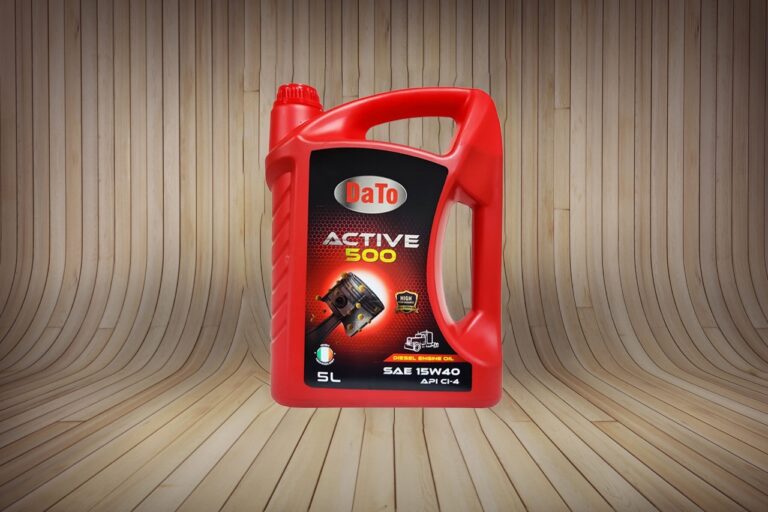
UAE summers are tough on vehicles. With temperatures regularly reaching extreme levels, your engine and cooling system have to work harder to keep the vehicle operating at a safe temperature. Add heavy traffic, long journeys, and frequent stop-and-go driving, and the risk of car overheating in the UAE can increase significantly.
One of the most important fluids for managing this heat is engine coolant. However, coolant is not simply a liquid that you add whenever the reservoir gets low. The right formulation, correct coolant level, and regular maintenance all play an important role in protecting your engine.
Understanding how coolant works and why it matters can help UAE drivers prevent overheating and avoid expensive engine repairs.
Why Is Engine Overheating More Common During UAE Summer?
An internal combustion engine generates a considerable amount of heat while running. Under normal conditions, the vehicle’s cooling system absorbs and transfers this heat away from the engine to maintain an appropriate operating temperature.
Extremely high ambient temperatures reduce the temperature difference between the hot coolant and the surrounding air, making it harder for the radiator to release heat. Heavy traffic can make the situation more demanding because the engine continues producing heat while airflow through the radiator is reduced.
What Does Engine Coolant Actually Do?
Engine coolant is a specially formulated fluid designed to regulate engine temperature and protect the cooling system.
As the engine operates, coolant circulates through passages around the engine block and cylinder head. It absorbs excess heat before travelling to the radiator, where that heat is released into the surrounding air. The cooled fluid then returns to the engine, and the cycle continues.
A quality coolant can also:
- Help prevent freezing and boiling under appropriate operating conditions
- Protect metal components against corrosion
- Reduce mineral and scale deposits
- Help protect the water pump and other cooling-system components
- Maintain effective heat transfer over time
Therefore, choosing the best coolant for hot weather is not simply about selecting the product with the highest temperature rating. It should be compatible with your vehicle and meet the manufacturer’s specifications.
Maintaining Engine Temperature with the Right Coolant
Not every coolant is suitable for every vehicle. Different engines and cooling systems can require different coolant technologies, concentrations, and specifications.
Using an incompatible coolant can potentially reduce corrosion protection or cause deposits and other cooling-system problems. Mixing different coolant types without confirming compatibility can also be problematic.
For UAE drivers, the focus should therefore be on using a manufacturer-approved coolant rather than choosing a product based only on colour or general claims about heat resistance.
The correct engine coolant oil UAE solution should match the vehicle manufacturer’s requirements and be appropriate for the conditions in which the vehicle operates.
What Happens When Coolant Is Low or Contaminated?
A cooling system needs the correct amount of properly functioning coolant to transfer heat efficiently. If the coolant level falls too low, there may not be enough fluid circulating through the system to remove excess engine heat.
Contaminated or degraded coolant can create another problem. Over time, its protective properties can diminish, while rust, deposits, or other contaminants may interfere with efficient heat transfer.
This can place additional pressure on the engine cooling system in the UAE, particularly when the vehicle is operating in extreme summer conditions.
Common Signs of Cooling System Problems
Your vehicle may provide several indications that its cooling system requires inspection.
Temperature Gauge Running High
If the temperature gauge regularly moves above its normal operating range, the vehicle should be inspected rather than continuing to drive normally.
Coolant Warning Light
A warning light may indicate low coolant level or a temperature-related problem, depending on the vehicle.
Steam or Excessive Heat
Steam coming from under the bonnet can indicate serious overheating. The vehicle should be stopped safely and allowed to cool.
Repeated Coolant Top-Ups
Frequently adding coolant is not a normal solution. It may indicate an underlying leak or cooling-system problem that needs professional diagnosis.
These signs should not be ignored, particularly during UAE summer when cooling-system problems can develop into more serious engine damage.
How Can UAE Drivers Prevent Engine Overheating?
Preventing overheating starts with routine checks rather than waiting for the temperature gauge to rise.
Before the peak summer months, consider having the cooling system inspected for:
- Correct coolant level and condition
- Leaking hoses or connections
- Radiator condition
- Cooling fan operation
- Thermostat performance
- Water pump condition
- Signs of corrosion or contamination
It is also important to follow the coolant replacement interval recommended by the vehicle manufacturer.
If your vehicle has already experienced overheating, don’t assume that replacing the coolant alone has fixed the problem. The underlying cause should be identified before continuing normal driving.
Choosing the Best Coolant for UAE Conditions
The best coolant for hot weather is not necessarily the same product for every vehicle. Compatibility with the engine and cooling system should come first. When selecting coolant, UAE vehicle owners should consider:
Vehicle manufacturer’s specification: Always follow the recommended coolant type and specification.
Coolant concentration: The correct coolant-to-water ratio helps provide effective temperature control and corrosion protection.
Compatibility: Avoid mixing coolant technologies unless the manufacturer or coolant supplier confirms they are compatible.
Service condition: Old, contaminated, or degraded coolant may require replacement or a complete cooling-system flush.
Keep Your Engine Ready for the UAE Heat
Engine overheating is not something UAE drivers should wait to address until the temperature warning appears. Extreme summer conditions place additional demands on every part of the cooling system, making preventive maintenance particularly important.
The right coolant helps transfer heat, protect cooling-system components, and maintain stable engine operating temperatures. Combined with regular inspections and proper maintenance, it can help prevent engine overheating and reduce the risk of unexpected breakdowns.
For drivers in the UAE, keeping the cooling system in good condition is a simple but important part of preparing a vehicle for summer.
Final Thoughts
UAE summer conditions can put significant pressure on your vehicle’s cooling system, making the right coolant and regular maintenance essential. Using a vehicle-approved coolant, maintaining the correct level, and addressing early warning signs can help prevent engine overheating, protect vital components, and keep your vehicle performing reliably in extreme heat.
Keep Your Engine Cool with Dato Lube
Don’t wait until an overheating warning leaves you stranded. Dato Lube provides professional coolant inspection, cooling-system maintenance, and coolant replacement to help keep your vehicle ready for the UAE’s demanding summer conditions.
Visit Dato Lube today or book your coolant service with our expert team to keep your engine running cooler, safer, and more efficiently throughout the year. For bookings and enquiries, contact us at info@datolube.com or call +971 800 3286.