Your car’s engine is designed to perform efficiently with the correct type of engine oil. However, using the wrong oil can gradually reduce performance, increase wear, and even lead to expensive engine repairs. Many drivers overlook this simple maintenance factor until warning signs become impossible to ignore.
Understanding the wrong engine oil symptoms can help you identify potential issues early, protect your engine, and maintain your vehicle’s long-term reliability. Whether you drive in extreme heat or heavy city traffic, choosing the correct lubricant plays a vital role in engine health.
How Proper Engine Oil Selection Protects Your Vehicle
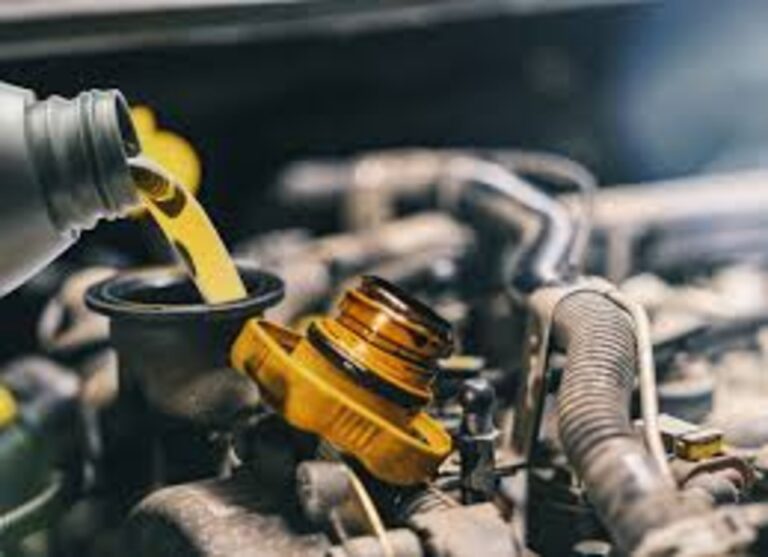
Engine oil performs several essential functions. It lubricates moving components, reduces friction, controls engine temperature, prevents corrosion, and removes contaminants. When the oil doesn’t match your manufacturer’s specifications, these functions become less effective, resulting in reduced efficiency and accelerated engine wear.
Recognizing wrong engine oil symptoms early can save you from costly repairs and unexpected breakdowns.
10 Signs You’re Using the Wrong Engine Oil
1. Unusual Engine Noise
If your engine suddenly sounds louder than normal, the oil may not be providing adequate lubrication. Incorrect viscosity can prevent proper protection between moving components, leading to increased friction and mechanical noise.
2. Engine Overheating
Engine oil helps dissipate heat. When the wrong oil is used, it may fail to regulate temperatures effectively, causing your engine to run hotter than usual.
3. Poor Fuel Efficiency
A noticeable drop in fuel economy may indicate increased internal resistance caused by improper lubrication. The engine works harder, consuming more fuel during daily driving.
4. Oil Warning Light Appears
If the oil pressure warning light comes on shortly after an oil change, incompatible oil viscosity or quality could be affecting oil circulation. This is one of the most common wrong engine oil symptoms that should never be ignored.
5. Sluggish Engine Performance
Delayed acceleration, rough engine response, or reduced power can result from oil that is either too thick or too thin for your engine’s operating conditions.
6. Excessive Exhaust Smoke
Incorrect engine oil may enter the combustion chamber more easily, resulting in blue or grey exhaust smoke. This could also indicate internal wear requiring professional inspection.
7. Oil Leaks Begin to Appear
Some oils may not provide proper sealing performance, especially if they don’t meet manufacturer specifications. This can contribute to leaks around engine seals and gaskets.
8. Dirty or Sludgy Oil
Using unsuitable oil can accelerate sludge formation, restricting oil flow and reducing engine protection. Regular inspections help identify contamination before major damage occurs.
9. Burning Oil Smell
A strong burning oil smell after driving may indicate overheating oil or improper lubrication performance. Immediate diagnosis can prevent further engine damage.
10. Frequent Oil Top-Ups
If your engine suddenly begins consuming more oil than usual, it may be due to incompatible oil characteristics affecting consumption and sealing performance.
How to Fix the Problem
If you suspect you’re experiencing wrong engine oil symptoms, don’t wait for the problem to worsen. Follow these simple steps:
- Check your owner’s manual for the recommended oil grade and specifications.
- Replace the incorrect oil with the vehicle-approved lubricant.
- Install a new oil filter during the oil replacement.
- Inspect the engine for leaks or unusual wear.
- Schedule professional servicing if warning signs continue after the oil change.
Timely action helps restore proper engine protection and prevents long-term damage.
How to Avoid Future Engine Oil Problems
Preventing engine oil problems starts with following your vehicle repair maintenance recommendations. Always verify the correct oil viscosity, quality standards, and service intervals before every oil replacement.
Professional technicians also ensure the correct oil quantity, replace the oil filter, and inspect the lubrication system during routine servicing. These small steps significantly improve engine reliability and longevity.
Why Professional Oil Service Matters
Not all engine oils are suitable for every vehicle. Modern petrol, diesel, hybrid, and performance engines require specific lubricants that meet strict precision engineering vehicle standards. A professional service centre can recommend the right oil based on your vehicle model, mileage, and driving conditions while identifying early signs of wear before they become costly repairs.
Regular servicing helps reduce engine oil problems while extending engine life and maintaining peak performance.
Final Thoughts: Keep Your Engine Protected with Dato Lube
Choosing the right engine oil is essential for maintaining smooth performance, reducing engine wear, and extending the life of your vehicle. If you notice any signs of using the wrong engine oil, such as unusual engine noise, reduced performance, overheating, or increased oil consumption, have your vehicle inspected promptly.
With the right oil and regular maintenance, you can keep your engine running efficiently and avoid unnecessary repair costs. Choose Dato Lube for reliable engine protection and long-term performance.
At Dato Lube, our experienced technicians use premium-quality lubricants that meet specifications for all major vehicle brands. From routine oil changes to complete lubrication inspections, we help keep your engine running smoothly, efficiently, and reliably.
Visit Dato Lube today or contact us at info@datolube.com or +971 800 3286 to book your engine oil service and give your vehicle the professional care it deserves.