Heavy equipment operates under demanding conditions. Construction machinery, mining equipment, agricultural machines, generators, loaders, excavators, cranes, and other industrial equipment often work for long hours under heavy loads, high temperatures, dust, and continuous pressure.
In these environments, lubrication is more than a routine maintenance requirement. The right lubricant helps reduce friction between moving components, control operating temperatures, protect critical parts, and support reliable machine performance.
Using high-quality heavy equipment lubricants can also help businesses reduce unexpected downtime and manage long-term operating costs. However, choosing the right lubricant is just as important as maintaining the correct service intervals.
Here are the top 10 benefits of using high-quality lubricants for heavy equipment.
1. Reduces Friction Between Moving Components
Heavy machinery contains numerous moving components, including gears, bearings, pistons, shafts, chains, and hydraulic components. When these parts operate against each other without adequate lubrication, friction can increase significantly.
High-quality lubricants create a protective film between contacting surfaces, helping reduce direct metal-to-metal contact.
Lower friction can contribute to smoother machine operation while reducing unnecessary stress on critical components.
This is one of the primary lubricant benefits for equipment operating under demanding working conditions.
2. Helps Reduce Component Wear
Continuous operation under heavy loads can accelerate wear on machinery components. Excessive friction, contamination, heat, and pressure can gradually damage internal parts.
The right heavy equipment lubricants provide protection against excessive surface contact and help maintain a more stable lubricating film.
This can reduce premature wear on components such as gears, bearings, engines, hydraulic systems, and other moving parts.
For businesses that rely on heavy machinery every day, reducing component wear can support longer equipment service intervals and more predictable maintenance requirements.
3. Supports Better Engine and Machinery Performance
Equipment performance depends on many factors, including proper lubrication. When the correct lubricant circulates through an engine or mechanical system, it helps moving components operate more smoothly.
High-quality heavy machinery oil is formulated to perform under specific operating conditions, helping maintain lubrication even when equipment is exposed to demanding workloads.
Using the correct lubricant can therefore contribute to consistent performance and help machinery operate efficiently throughout its working cycle.
4. Helps Manage Operating Temperatures
Friction generates heat. Heavy equipment operating under continuous loads can therefore experience considerable thermal stress.
Lubricants help reduce friction and can also assist with heat transfer within certain mechanical systems. This is particularly important for equipment operating for extended periods or under high loads.
High-performance lubricants formulated for specific applications can help maintain lubrication performance when temperatures and operating pressures increase.
Proper lubrication should therefore be considered an important part of overall equipment maintenance, especially in demanding industrial environments.
5. Protects Against Corrosion and Rust
Moisture, contaminants, chemicals, and environmental exposure can contribute to corrosion and rust on machinery components.
Quality industrial lubricants can contain additives designed to provide protection against corrosion and oxidation, depending on the formulation and application.
By helping protect metal surfaces, the right lubricant can support the condition and reliability of critical components.
For heavy equipment working outdoors or in harsh industrial environments, corrosion protection can be particularly valuable.
6. Helps Improve Equipment Efficiency
When machinery operates with excessive friction, more energy may be required to move components and complete the same workload.
Proper lubrication helps minimise unnecessary resistance between moving surfaces, allowing components to operate more smoothly.
This can contribute to better mechanical efficiency and support consistent equipment operation.
While lubricant selection alone cannot guarantee fuel or energy savings, using the manufacturer-recommended lubricant and maintaining the correct service schedule can help equipment operate as designed.
7. Extends the Service Life of Machinery
Heavy equipment represents a significant investment for construction, logistics, mining, agriculture, manufacturing, and other industries.
Protecting the engine, transmission, hydraulic system, gears, bearings, and other critical components can help preserve the value of that investment.
Regular use of suitable heavy equipment lubricants, combined with proper maintenance, can help reduce unnecessary component wear and support longer equipment service life.
This means businesses may be able to get more productive years from their machinery while reducing the frequency of major repairs.
8. Helps Reduce Unexpected Downtime
Unexpected equipment failure can disrupt operations, delay projects, and increase operating costs.
Poor lubrication or using an unsuitable lubricant can contribute to excessive wear, overheating, deposits, and mechanical problems.
Using the correct high-performance lubricants as part of a planned maintenance programme can help reduce lubrication-related risks.
Regular oil and lubricant inspections can also help identify potential issues before they develop into costly equipment failures.
For businesses where every hour of machine operation matters, preventive lubrication maintenance can make a significant difference.
9. Supports Heavy Equipment Maintenance
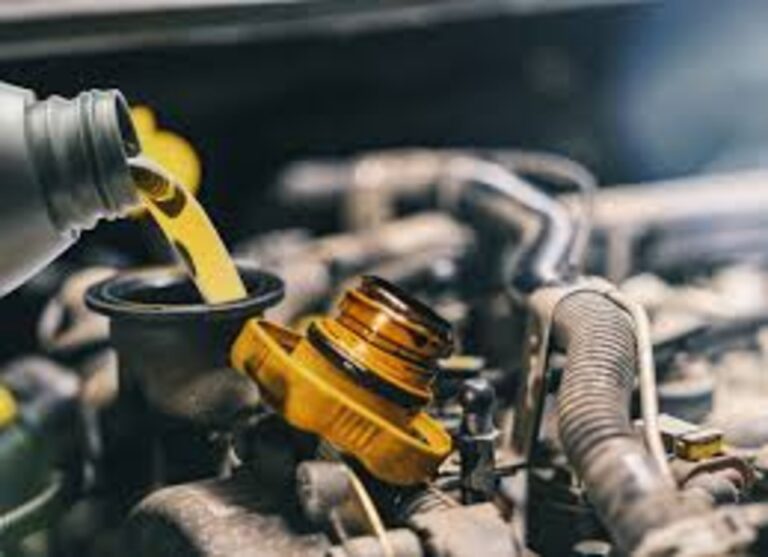
Lubrication is a fundamental part of preventive maintenance. Depending on the equipment, maintenance may involve engine oil changes, hydraulic fluid replacement, transmission lubrication, grease application, and other lubrication-related services.
Using the correct lubricant according to the manufacturer’s specification makes these maintenance activities more effective.
A well-planned equipment maintenance programme should consider operating hours, load conditions, environmental exposure, manufacturer recommendations, and lubricant condition.
This approach can help businesses move from reactive repairs towards more predictable preventive maintenance.
10. Provides Better Protection Under Demanding Conditions
Heavy equipment rarely operates in ideal conditions. Machinery may be exposed to dust, dirt, water, high loads, extreme temperatures, long operating hours, and frequent starts and stops.
Standard lubricants may not always provide the performance required for every application. High-quality industrial lubricants are available in formulations designed for specific equipment and operating environments.
Selecting a lubricant that matches the machinery, application, temperature range, load, and manufacturer’s requirements can provide better protection where it matters most.
How to Choose the Right Lubricant for Heavy Equipment
Not every lubricant is suitable for every machine. Choosing a product based solely on price or viscosity can result in inadequate protection or compatibility issues.
Before selecting heavy equipment lubricants, consider:
Manufacturer Specifications
Always check the equipment vehicle’s recommended lubricant type, viscosity, performance standard, and service interval.
Operating Conditions
Consider the machine’s workload, operating temperature, environment, and number of operating hours.
Equipment Type
Engine oil, hydraulic fluid, transmission fluid, gear oil, and grease serve different purposes. Use the lubricant designed for the specific application.
Lubricant Quality
High-quality formulations can provide better protection against oxidation, wear, corrosion, and deposits when used correctly.
Compatibility
Avoid mixing different lubricant types or formulations unless compatibility has been confirmed by the manufacturer or lubricant supplier.
What Happens When Heavy Equipment Uses the Wrong Lubricant?
Using an unsuitable lubricant can affect equipment performance and protection.
Potential problems may include:
- Increased friction and component wear
- Excessive operating temperatures
- Sludge or deposits
- Poor lubrication under heavy loads
- Reduced component protection
- Corrosion or oxidation
- Increased maintenance requirements
- Premature component failure
These problems can become more expensive when they affect critical equipment such as engines, transmissions, hydraulic systems, and industrial gearboxes.
Best Practices for Heavy Equipment Lubrication
Getting the maximum value from heavy equipment lubricants requires more than simply topping up oil when the level becomes low.
Businesses should:
- Follow the manufacturer’s recommended service intervals
- Use the correct lubricant specification
- Check lubricant levels regularly
- Inspect for leaks
- Monitor lubricant condition
- Keep lubrication points clean
- Avoid contamination during storage and application
- Replace lubricants according to recommended intervals
- Maintain accurate service records
- Investigate unusual noise, heat, vibration, or performance changes
These practices can help improve reliability and support a more effective long-term maintenance strategy.
Why Lubricant Quality Matters for Heavy Machinery
The right lubricant acts as a protective layer between critical moving components. It helps control friction, manage heat, reduce wear, and protect machinery from environmental and operating stresses.
For equipment operating under demanding conditions, investing in high-quality heavy machinery oil and other specialised lubricants can be a practical part of preventive maintenance.
However, the best lubricant is not necessarily the most expensive product. It is the product that meets the equipment manufacturer’s specifications and is appropriate for the machine’s operating conditions.
Keep Your Heavy Equipment Performing at Its Best
Heavy machinery is built to handle demanding workloads, but even the most durable equipment requires proper lubrication and maintenance.
From reducing friction and component wear to supporting equipment efficiency and extending service life, the right lubricant can provide multiple benefits throughout the machinery’s operating lifecycle.
Using quality heavy equipment lubricants together with regular inspections, correct service intervals, and professional maintenance can help businesses protect their machinery and minimise avoidable downtime.
Final Thoughts
High-quality lubricants play an important role in protecting heavy equipment and supporting reliable machinery performance. The right industrial lubricants can help reduce friction, minimise wear, manage heat, protect components against corrosion, and support longer equipment service life.
For construction, mining, agriculture, manufacturing, logistics, and other industries that depend on heavy machinery, proper lubrication should be treated as an essential part of preventive equipment maintenance rather than an occasional task.
Choosing the correct lubricant, following manufacturer specifications, and maintaining a consistent service schedule can help keep heavy equipment operating smoothly, efficiently, and reliably.
Power Your Equipment with Dato Lube
Don’t let poor lubrication compromise the performance or reliability of your heavy machinery. Dato Lube provides quality lubrication solutions designed to support heavy equipment, industrial machinery, and demanding operating environments.
Choose the right heavy equipment lubricants for your application and give your machinery the protection it needs to perform reliably.
For enquiries and lubrication solutions, contact Dato Lube at info@datolube.com or call +971 800 3286.